
Table of Contents

Substance Use Disorder Treatment Outcomes and Recovery Trends
Explore key outcomes from Uprise Health's Managed Behavioral Health Substance…
Learn More
Uprise Health Receives SOC 2 Type II Attestation
Independent Audit Verifies Uprise Health’s Internal Controls and Processes IRVINE,…
Learn More
The Hidden Work of Caregiving
The day of a working caregiver often begins long before…
Learn More
Caregiver 101: What is a Caregiver?
According to the AARP and National Alliance for Caregiving (NAC)…
Learn MoreFinding time to move can feel harder when you’re juggling work, school, schedules, and everything in between. Add different energy levels, interests, and ages, and movement can start to feel like another thing to manage. It doesn’t have to be that way. When families move together, activity becomes shared time instead of a separate task.
Family movement works best when it feels simple, flexible, and a little fun.
Why Moving Together Helps
Movement gives families a chance to connect without a screen or a packed agenda. It supports physical health, helps release built‑up stress, and creates space for conversation that might not happen otherwise. For kids, it builds positive associations with movement early on. For adults, it offers a way to stay active without carving out extra time alone.
The key is keeping expectations realistic. You’re not training for anything. You’re moving together in ways that fit your household.
Turn Movement Into a Game
Challenges work well because they give everyone a shared goal.
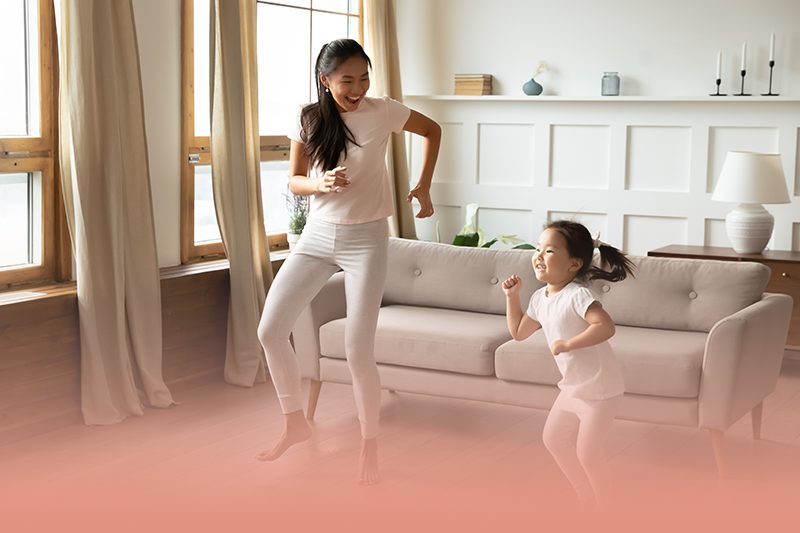
Try a weekly step challenge using a phone or watch, or set a goal like “move for ten minutes a day.” Keep it light. Celebrate effort instead of scores. Let each person suggest an activity for the week. One night might be a walk after dinner. Another might be dancing in the living room or tossing a ball outside. When movement feels playful, people are more likely to join in.
Build Movement Into Daily Routines
Some of the easiest movement happens when no one calls it exercise.
- Walk the dog together.
- Park farther from the store.
- Turn chores into a group effort and put on music.
- Stretch while waiting for dinner to finish.
These moments add up, especially when they become habits.
Families with younger kids can use short bursts of activity. Try a five‑minute movement break between homework and dinner. Families with teens might choose a longer walk or a shared workout video once or twice a week.
Let routines evolve as schedules change.
Make It Work for Different Ages and Abilities
Not everyone moves the same way, and that’s okay! Offer options instead of rules. One person might prefer stretching. Another might want something faster paced. Rotate activities so no one feels left out. If someone needs to sit out, they can still be part of the moment. Movement together works best when everyone feels welcome, not pressured.
Keep It Simple and Keep Going
Some weeks will be smoother than others. That’s normal. What matters is returning to movement without guilt or overthinking.
Start small. Pick one activity. See how it feels. Adjust as needed.
When families move together, activity becomes part of everyday life. It supports health, reduces stress, and creates shared experiences that don’t require planning or perfection. Simply showing up counts.