

Table of Contents
Substance Use Disorder Treatment Outcomes and Recovery Trends
Explore key outcomes from Uprise Health's Managed Behavioral Health Substance…
Learn More
Uprise Health Receives SOC 2 Type II Attestation
Independent Audit Verifies Uprise Health’s Internal Controls and Processes IRVINE,…
Learn More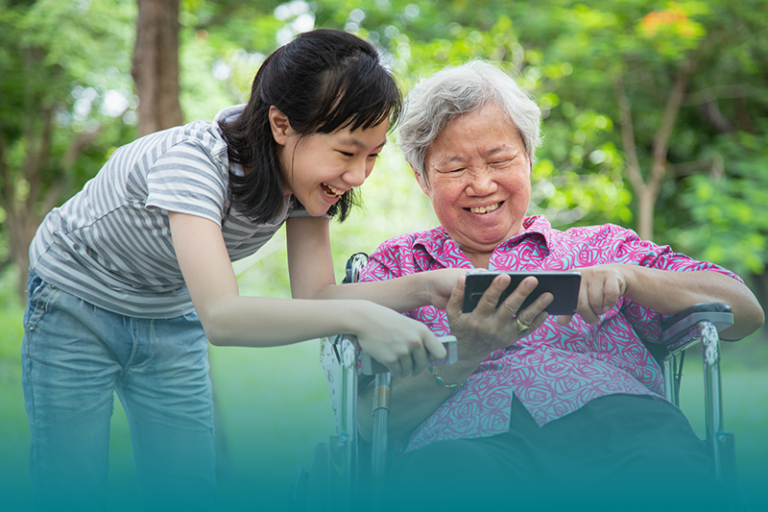
Conectando Entre Generaciones
Consejos para Personas Cuidadoras Ya sea que esté apoyando a…
Learn MoreConnecting Across Generations: Tips for Caregivers
Whether you’re supporting an aging parent, parenting, helping raise grandchildren,…
Learn MoreHow Family of Origin and Chosen Family Support Mental Health
Social connections are linked to better mental and physical health, and families can be a great source of connection and support. Families can be made up of parents, siblings, grandparents, or relatives. Family can also extend beyond that unit, to deep relationships we choose. Regardless of what family looks like, the connections built there influence our happiness and health.
Why Family Connection is Essential for Well-Being
Family is often our most consistent source of emotional support and belonging. Research shows that supportive family relationships are associated with lower rates of depression, anxiety, and stress. Family connections that boost well-being are ones that help shape your identity and self-esteem, provide support during difficult times, and encourage healthy behaviors. Families can be a catalyst for well-being or a trigger for declines in mental health. In the absence of a supportive family of origin, support and connection can be found in chosen family.
The Role of Family of Origin in Mental Health
The family into which we are born or raised can shape our earliest experiences. They form our self-identity, the ways we communicate with or attach to others. The connection between family members builds support and encouragement in healthy situations. This boosts confidence and provides a sense of belonging that is pivotal to well-being.
The Role of Chosen Family in Mental Health
Chosen family, sometimes called “found family”, refers to people we intentionally welcome into our lives who provide the support and commitment associated with family relationships. Some chosen families do have roles like “mother” and “father” and “sibling”. Other found-family units do without those roles, functioning as a group of people equally invested in supporting one another. It can be made up of people in the same age group or of diverse ages.
The key, and what distinguishes a chosen family from a regular friend group, is depth of commitment, crisis-level reliability, and integration into the full spectrum of life. While friend groups are often built on shared fun, specific life phases, or mutual hobbies, a chosen family functions as a primary, deep-rooted support system through hardship, loss, and daily care. These factors all improve resilience to difficult things and provide a sense of belonging that improves well-being.
Building Family Connections
The great thing about family connection—whether with a family of origin or a found family—is that it can be and look like whatever you need or want it to look like. You could choose both, or even some of one. Healthy support systems can include multiple layers of connection. The important thing is building meaningful connections where you feel valued and supported and where you help others feel the same.
To continue to build connection:
- Reach out regularly to important people in your life.
- Express appreciation and gratitude for those people.
- Invest in relationships during good times as well as difficult ones.
- Seek out opportunities to volunteer, take walks, or join community groups together.
No matter what family looks like for you, meaningful relationships help us feel valued and connected. By nurturing family relationships, you can build stronger support systems that improve our mental health and help us navigate life with greater resilience.
Uprise Health’s EAP Can Help
At Uprise Health, we recognize the importance of family connection and support on your well-being. Our Employee Assistance Program (EAP) offers services that can help you build and maintain healthy connections and reduce chronic stress. From individual or family counseling to resources and tools, we’re here to help!