
Table of Contents

Substance Use Disorder Treatment Outcomes and Recovery Trends
Explore key outcomes from Uprise Health's Managed Behavioral Health Substance…
Learn More
Uprise Health Receives SOC 2 Type II Attestation
Independent Audit Verifies Uprise Health’s Internal Controls and Processes IRVINE,…
Learn More
Why Traditional Benefits Miss Caregivers
With the growth of caregivers at work, we are seeing…
Learn More
Cómo Prevenir el Agotamiento en los Roles de Cuidado
Las personas cuidadoras suelen estar equilibrando las responsabilidades del cuidado…
Learn MoreCaregiving takes time, attention, and energy. Whether you’re supporting an older adult, caring for a family member, or managing your own changing needs, movement can start to feel complicated. Some days, even the idea of exercise feels like too much.
Gentle movement offers another way forward. It focuses on comfort, safety, and ease. It meets you where you are and supports the body without pushing it.
Why Gentle Movement Matters
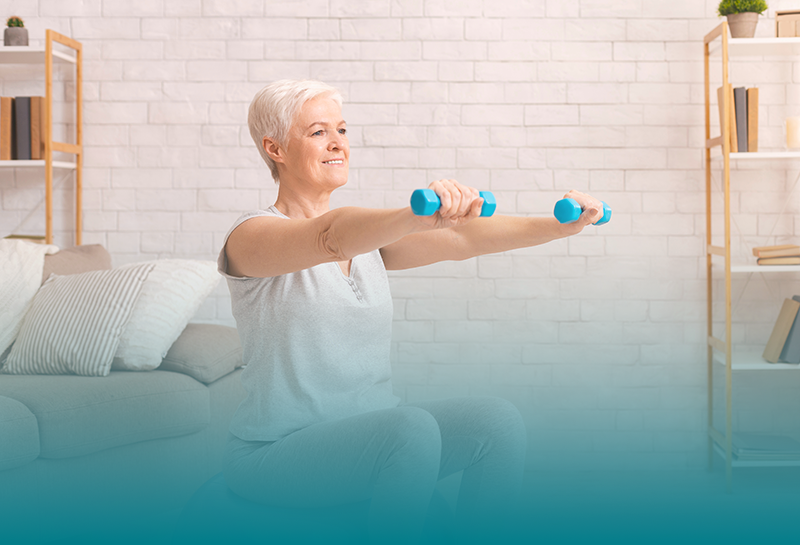
For older adults, gentle movement helps maintain mobility, balance, and confidence in everyday activities. It supports circulation and joint comfort, and it can reduce stiffness that builds up from sitting or lying down for long periods.
For caregivers, movement can help release tension held in the shoulders, neck, and lower back. It also provides a brief pause in the day, a chance to check in with your own body instead of staying in constant response mode.
Movement doesn’t need to be long or structured to be helpful. It just needs to feel manageable.
What Gentle Movement Can Look Like
Gentle movement often blends into daily routines.
- Start with simple stretches in the morning or before bed. Roll the shoulders. Gently turn the head from side to side. Reach the arms overhead while seated or standing with support.
- Short walks can work well, even if they’re just down the hallway or around the yard. Focus on steady steps and comfortable pacing. Rest as needed.
- Chair-based movement is another option. Try lifting one foot at a time, circling the ankles, or pressing the feet gently into the floor. These small actions help keep joints moving and muscles engaged.
- Breathing can also be part of movement. Slow, steady breaths paired with stretching help the body relax and feel more supported.
Moving Together, When Possible
When caregivers and older adults move together, movement becomes shared time rather than another task. You might stretch side by side, take a short walk together, or pause for a few minutes of movement between activities. Moving together builds connection and keeps movement from feeling isolating.
Some days, participation will look different. One person may move more than the other. That’s okay. The goal is comfort, not comparison.
Listening to the Body
Gentle movement works best when you pay attention to how the body responds. Notice what feels supportive and what doesn’t. Stop before discomfort turns into strain. Adjust positions, slow down, or take breaks as needed.
For caregivers, this applies to you too. Supporting someone else doesn’t mean ignoring your own needs. Small moments of movement can help you stay grounded and reduce physical stress over time.
A Supportive Way to Keep Going
Consistency matters more than intensity. A few minutes each day can make movement feel familiar and safe. Start small. Choose one or two movements that feel good, and then return to them when you can.
Gentle movement supports both caregivers and elders by honoring what the body can do today. It creates space for care, connection, and steadiness in daily life.