
Table of Contents

Substance Use Disorder Treatment Outcomes and Recovery Trends
Explore key outcomes from Uprise Health's Managed Behavioral Health Substance…
Learn More
Uprise Health Receives SOC 2 Type II Attestation
Independent Audit Verifies Uprise Health’s Internal Controls and Processes IRVINE,…
Learn More
Why Traditional Benefits Miss Caregivers
With the growth of caregivers at work, we are seeing…
Learn More
Cómo Prevenir el Agotamiento en los Roles de Cuidado
Las personas cuidadoras suelen estar equilibrando las responsabilidades del cuidado…
Learn MoreCognitive wellness looks different at every stage of life. A child learning to manage emotions, a working adult juggling responsibilities, or an older adult staying mentally engaged all have unique needs. What connects these experiences is the fact that brain health is lifelong. It evolves as we do.
Supporting cognitive wellness across generations does not require a one‑size‑fits‑all approach. It starts with understanding how everyday habits and environments can support the brain at every age.
Building Strong Foundations Early
In children and teens, cognitive wellness is closely tied to emotional regulation, attention, and learning. Consistent routines, supportive relationships, and opportunities to explore curiosity all help strengthen developing brains.
Simple habits matter here: regular sleep, balanced nutrition, physical movement, and time for creative play support both brain development and emotional well‑being. Just as important is giving young people space to talk about how they are feeling and helping them build skills to manage stress and frustration.
Supporting Adults Through Life’s Demands
Adulthood often brings competing priorities, from work responsibilities to family care. Stress, lack of rest, and mental overload can take a toll on focus and memory over time.
Cognitive wellness during this stage is about balance and maintenance. Regular movement, adequate sleep, and mental breaks help protect brain function. So does staying socially connected. Conversations, shared activities, and supportive relationships give the brain opportunities to process emotions and stay engaged.
Learning does not stop in adulthood either. Trying new activities, building skills, or approaching routines in fresh ways helps keep the brain flexible and responsive.
Staying Engaged as We Age
As people age, staying mentally, socially, and emotionally active becomes especially important. Cognitive wellness in later life is supported by continued learning, meaningful routines, and connection with others.
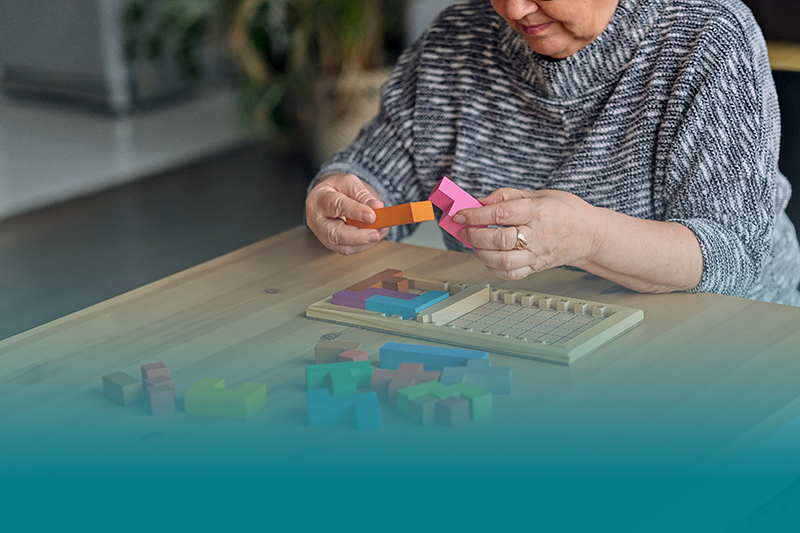
Activities like reading, puzzles, hobbies, volunteering, or learning new skills help keep the brain engaged. Movement and social interaction also play a role in supporting mood, memory, and overall quality of life.
Supporting Caregivers Along the Way
Many families find themselves supporting multiple generations at once. Caregivers often focus on everyone else’s needs while overlooking their own cognitive and emotional health.
Supporting cognitive wellness across generations means recognizing that caregivers need support too. Taking breaks, setting boundaries, and seeking resources when needed helps protect long‑term well‑being for both caregivers and those they care for.
A Lifelong Perspective
Cognitive wellness is not about preventing change. It is about supporting the brain through change. By focusing on connection, routine, curiosity, and care at every stage of life, families can create environments that support brain health across generations.