
Table of Contents

Substance Use Disorder Treatment Outcomes and Recovery Trends
Explore key outcomes from Uprise Health's Managed Behavioral Health Substance…
Learn More
Uprise Health Receives SOC 2 Type II Attestation
Independent Audit Verifies Uprise Health’s Internal Controls and Processes IRVINE,…
Learn More
Why Traditional Benefits Miss Caregivers
With the growth of caregivers at work, we are seeing…
Learn More
Cómo Prevenir el Agotamiento en los Roles de Cuidado
Las personas cuidadoras suelen estar equilibrando las responsabilidades del cuidado…
Learn MoreWhy Digital Health Literacy Matters More Than Ever
With the constant inundation of social media and apps, children are growing up in a world in which they are always connected, and they are getting placed into that world before they can even fully understand it.
Digital literacy, according to the United Nations Educational, Scientific and Cultural Organization (UNESCO), is the “ability to access, understand, and communicate information safely and appropriately through digital technologies.”
Digital health literacy is the ability to understand, communicate, and evaluate health information using technological devices to apply health-related information to and in different contexts.
It’s not just about knowing how to use a phone, computer, or tablet (this is something children will learn far sooner and far more quickly than their parents!). Children need to be able to discern reliable health information, think critically about what they consume, and engage online ethically and safely.
Digital Literacy and Whole Health
Being able to use digital tools to learn about health needs and information safely and appropriately allows children to be just as informed about their health and experience. It also prevents anxiety, stress from misinformation, and cyberbullying.
Digital health literacy supports emotional, mental, and physical safety. When children have strong digital skills, it can lead to critical thinking and the ability to evaluate the trustworthiness and risks of sharing and receiving health-related information online.
Here are some ways to help support children in their digital literacy, preventing mental health stress and empowering them to think critically about the tools they use for health.
How to Teach Kids Digital Literacy
When teaching literacy skills, we often think of reading and writing, but it can be harder to incorporate digital literacy teaching as well, especially when it comes to managing mental and physical health. These practical strategies can be used to build those skills in children.
Start with Open Conversations
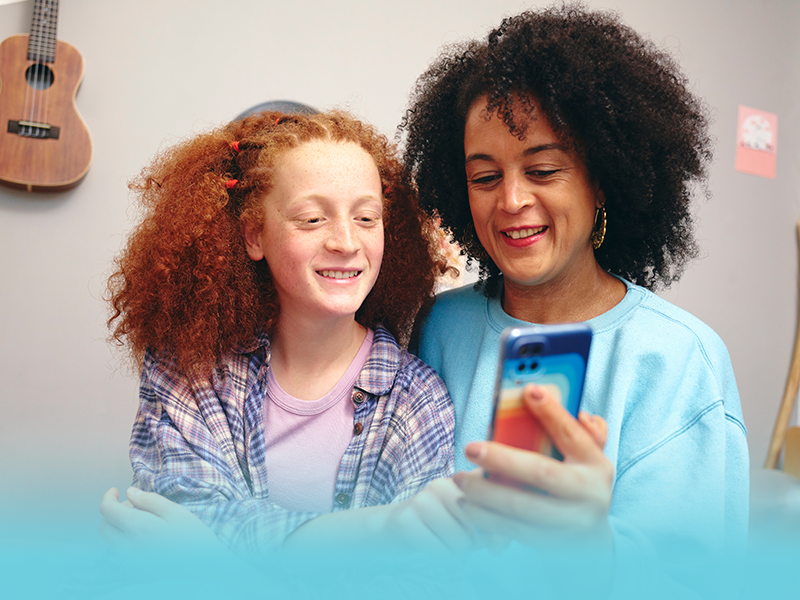
Normalize discussions about online experiences. Talk about the ways that you use and interact with your phone or your social media, and how it can impact your own mental health. Talk to them about what their peers are using, or posting. Tell them about how you use health information you found online.
Model Healthy Digital Behavior
Demonstrate balanced screen use. Use respectful communication with them and show them how you communicate respectfully online. Kids learn through observation and will see how often or not you are on your screen. Or how you balance talking with a friend or professional and learning from digital sources.
Use Real-Life Scenarios
Walk them through examples of scams and cyberbullying. Show them examples of what misinformation can look like. Practice responding to these types of threats together.
Tools and Resources for Parents
Thankfully, there are digital tools and resources that can assist with guidelines that help promote digital safety.
- Parental control apps
- Educational websites
- School-based resources
These tools should not replace communication but should be an added support to the conversations and models you have for children.
Building Digital Resilience
Teach kids when to step away and when to report content or communication, when to seek help. This helps them build digital resilience, or the ability to adapt and respond to online challenges. Resilience reduces stress and helps to build strong confidence in seeking help.
Empowering Confident and Safe Children
Digital health literacy is a process and one that can change over time. Staying engaged and curious about and with your children helps them build lifelong skills for both online safety and mental and physical well-being.