
Table of Contents
Substance Use Disorder Treatment Outcomes and Recovery Trends
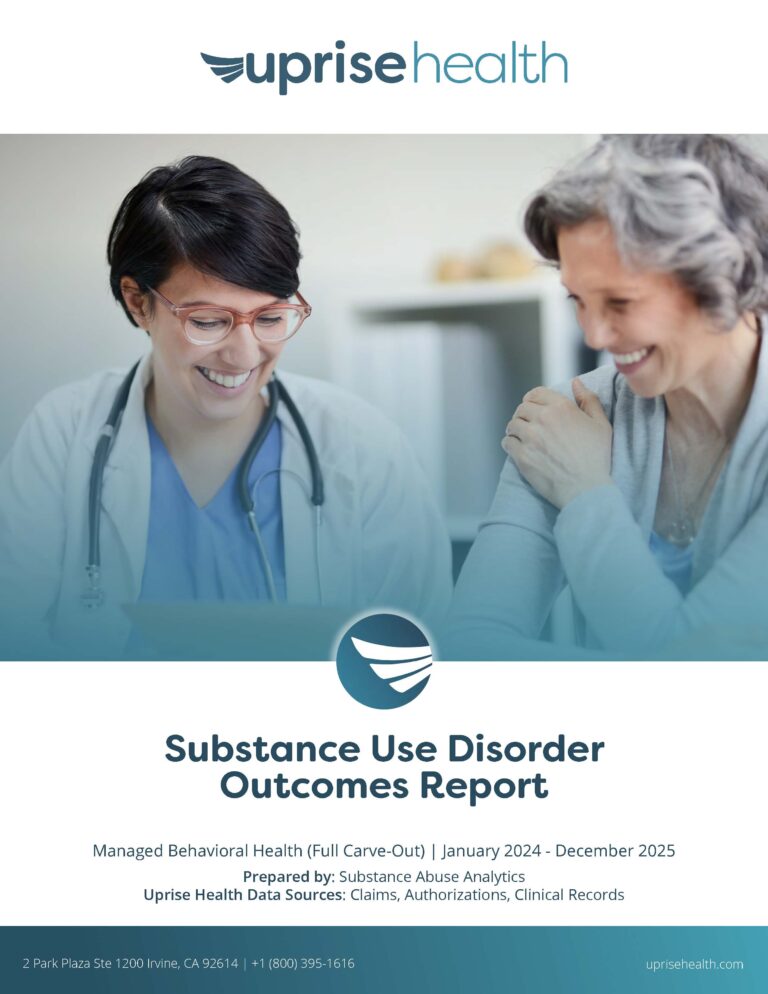
Explore key outcomes from Uprise Health's Managed Behavioral Health Substance…
Learn More
Uprise Health Receives SOC 2 Type II Attestation
Independent Audit Verifies Uprise Health’s Internal Controls and Processes IRVINE,…
Learn More
Cómo Prevenir el Agotamiento en los Roles de Cuidado
Las personas cuidadoras suelen estar equilibrando las responsabilidades del cuidado…
Learn MorePreventing Burnout in Caregiving Roles
Caregivers are often balancing caregiving responsibilities with work, family, and…
Learn MoreWhat is Hope?
Hope is a feeling of desire and confidence that something good will happen. It is a positive state of mind that focuses on a good future outcome, even when things are hard.
The Science of Hope
Throughout history, hope was discussed among philosophers, some of whom saw it as a virtue that played an important role in the ways humans acted. Other philosophers viewed hope as a wish without any agency, and thought it irrational and unproductive.
It wasn’t really until the early 90’s that hope shifted to a psychological perspective. American psychologist Charles R. Snyder introduced his Hope Theory, which defines hope not as just an emotion or passive wish, but as an active cognitive process. In this model, hope requires goals, agency thinking, and pathways thinking.
Goals give direction to mental activities and hold focus, even if in varying degrees of uncertainty. Agency thinking is essentially willpower—the motivational drive to believe in your own capacity to direct and sustain energy toward a goal. Pathways thinking is the way to meet those goals, the ability to generate strategies and paths to reach a goal.
General psychology largely agrees with this theory, and assumes that hope is a necessary mental and motivational attribute to support action to achieve a goal.
Why Hope Matters During Challenging Times
Times That Can be Challenging
- Natural disasters
- Loss of land or home
- Family and caregiving responsibilities
- Immigration concerns
- Political and/or social polarization
- Loss of a loved one
- Health and mental health conditions and/or concerns
Impact of Hope on Mental Health
When people face stress or barriers, high-hope individuals use pathways thinking to map out alternative strategies while using agency thinking to maintain persistence. Research links higher levels of hope with:
- Better psychological well-being
- Greater resilience during adversity
- Improved coping skills
- Lower emotional distress and feelings of helplessness
Hope can provide a sense of direction when life feels uncertain and can help people focus on the things they can control.
Building Hope
It can be hard, especially when life feels stressful or challenging, to have hope. It is important to note that hope is not optimism, which denies the existence of bad things.
Hope acknowledges that things are hard and feel bad, but believes that good outcomes are possible. It is something that can be worked on and built, even when feeling like you have none.
Build Hope with Memory
Remember that good things have happened before! And if things have been good before, it is possible that they can be good again.
Build Hope with Mood
Focus on trying to shift your mood. If you’re feeling stuck in sadness or negativity, it can be helpful to talk to a mental health professional, be in community, exercise, or meditate.
Build Hope with Small Goals
Setting small goals can help build hope. The feeling of a quick win can make you feel good, shows you that you have agency and power. Small goals help preserve energy while you go through challenges and helps your brain practice focus and pathway thinking.
When Hope Feels Hard to Find
When you’re struggling to find hope, lean on trusted family, friends, colleagues, and support professionals. Reflect on the challenges you have already navigated and acknowledge the growth you’ve already made. This can reinforce the belief in the ability to manage future obstacles.
Remember that hope can fluctuate. You might have higher levels of hope sometimes, and then, especially during significant stress, grief, or life transitions, have less.
Seeking support is a sign of strength. Talk with a mental health professional, a coach, or friend to reconnect with your strengths and identify next steps that feel practical and attainable. Your challenges are not the end of your story. Know that you can strengthen hope and ultimately build resilience.