

Table of Contents
Substance Use Disorder Treatment Outcomes and Recovery Trends
Explore key outcomes from Uprise Health's Managed Behavioral Health Substance…
Learn More
Uprise Health Receives SOC 2 Type II Attestation
Independent Audit Verifies Uprise Health’s Internal Controls and Processes IRVINE,…
Learn More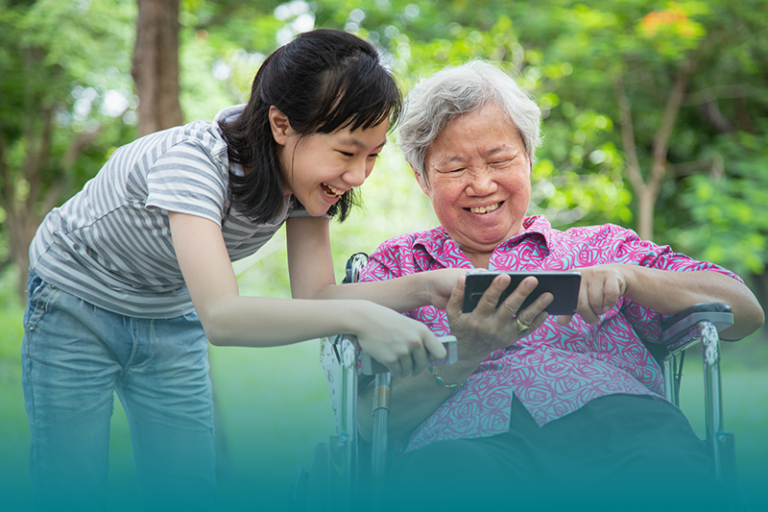
Conectando Entre Generaciones
Consejos para Personas Cuidadoras Ya sea que esté apoyando a…
Learn MoreConnecting Across Generations: Tips for Caregivers
Whether you’re supporting an aging parent, parenting, helping raise grandchildren,…
Learn MoreHow Connection and Community Strengthen Mental Health
Humans are wired for connection. Quite literally in fact, as some researchers have found. Our brains require social and physiological needs in the same way they need food, water and sleep. In this way, social interactions are fundamental for healthy lives. Another decades-long study from Harvard has shown that strong relationships are one of the most important predictors of long-term happiness and health. Connection influences our well-being deeply and as we become more imbedded in a digital age, it can be easier to feel a lack of support network and community.
And while loneliness and isolation are widespread health concerns, the cure can be found in mass: in friends, family, coworkers, neighbors, support groups, faith communities, and shared-interest communities. Connection is all around us and we can build and be accepted into support networks more easily than you might think.
What Is a Support Network?
A support network is a group of people or communities that rely on each other for emotional, practical, and informational assistance. It’s the people and communities that provide encouragement, understanding, and a sense of belonging. You can have multiple different support networks that provide you with different things or in different ways. They can fulfil different needs. A support network means having meaningful connections where you feel valued and supported, and where you help others feel valued and supported.
Why Connection Matters for Well-Being
Stress is a guarantee in life, but the healthy thing about stress is that it starts and then stops. If you have a stressful day at work, but you talk it through with a friend on your way home, you can feel your body calm down. In this example, another person helped your body get out of fight-or-flight mode. Relationships help ease you out of the stress state. Left in constant stress, levels of stress hormones and inflammation rise and can wear down body systems.
Loneliness and social isolation are stressors that add to chronic stress. It affects your physical body but also has been linked to increased risks of anxiety and depression. Connection is an essential part of mental and emotional well-being.
Ways To Strengthen Connection and Community
If you find yourself feeling alone, even when surrounded by people, having no one to call during difficult times, or feel yourself disconnecting from your social activities or community—that’s ok! Support networks can be built and strengthened at any stage. Try some of these first steps to strengthen your connection to those around you.
- Join a local club, volunteer group, community organization, or class.
- Participate in workplace, faith-based, or neighborhood activities.
- Reconnect with old friends or neighbors.
- Extend and accept invitations.
- Take a walk and meet your neighbors.
- Try a new interest or hobby.
Remember to try to stay positive. When you genuinely care and show interest in others, they will respond positively. These small interactions might seem like a scary or uncomfortable hurdle, but with consistent and intentional connection, your support network will grow stronger.
How Support Networks Build Resilience
Strengthening our communities and relationships doesn’t just increase our happiness and health. People have diverse life experiences and perspectives that help make it easier to navigate life transitions and major challenges. Friends, family, or mentors can help you reframe negative events and find solutions while keeping you grounded. The mere knowledge that you are not alone reduces the overwhelming impact of stress and hardship.
Good support networks are reciprocal. You aren’t the only one benefiting from this safety net, but as you support others, your own sense of agency, confidence, and resilience grows. Continue to encourage, hear, and be there for a person or people in your life. Your well-being will improve and will absolutely spread to those around you.
Uprise Health’s EAP Can Help
At Uprise Health, we recognize the importance of connection and support on your well-being. Our Employee Assistance Program (EAP) offers services that can help you build and maintain healthy connections and reduce chronic stress. From counseling and support groups to resources and tools, we’re here to help!